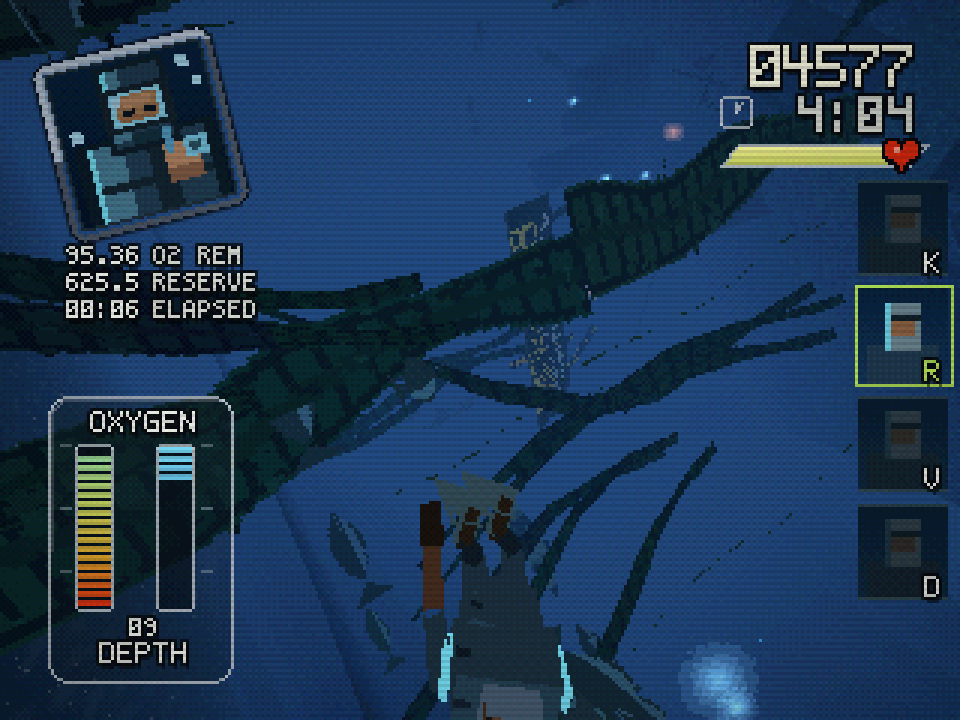
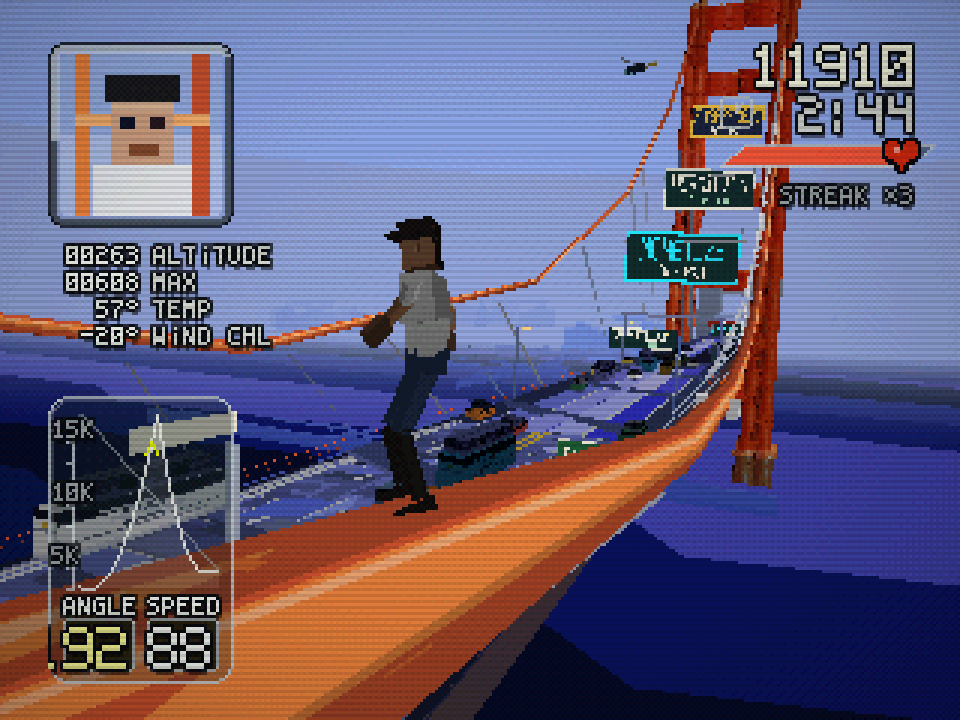
Gamifornication was generated from the Red Hot Chili Peppers music video.
Play in full screen
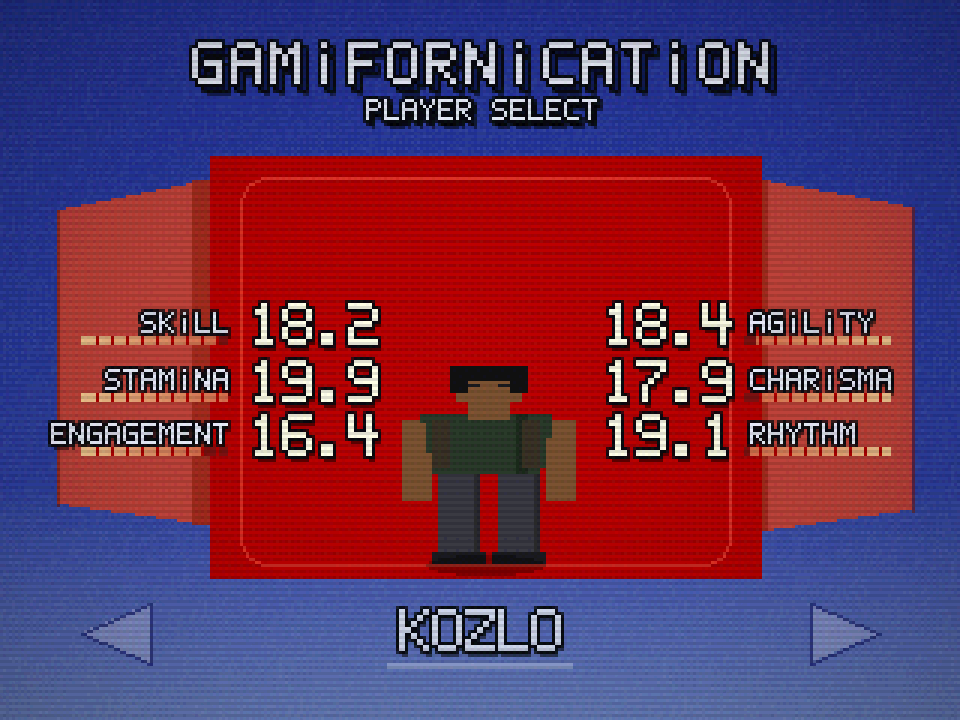
First, an admission: this post is low-effort slop. So is the game it’s about.
The design is intentionally slop, too: loud, derivative, overcooked, and wrapped in a counterfeit layer of PlayStation nostalgia.
The page is part of the experiment rather than a clean vantage point from which to judge it.
The whole process started when I read that the Californication music video was 26 years old.
That sent me back to watch the original, and watching it again sparked the idea for this experiment.
I gave Claude Opus 5 a creative target: turn the Red Hot Chili Peppers’ Californication music video into a playable game.
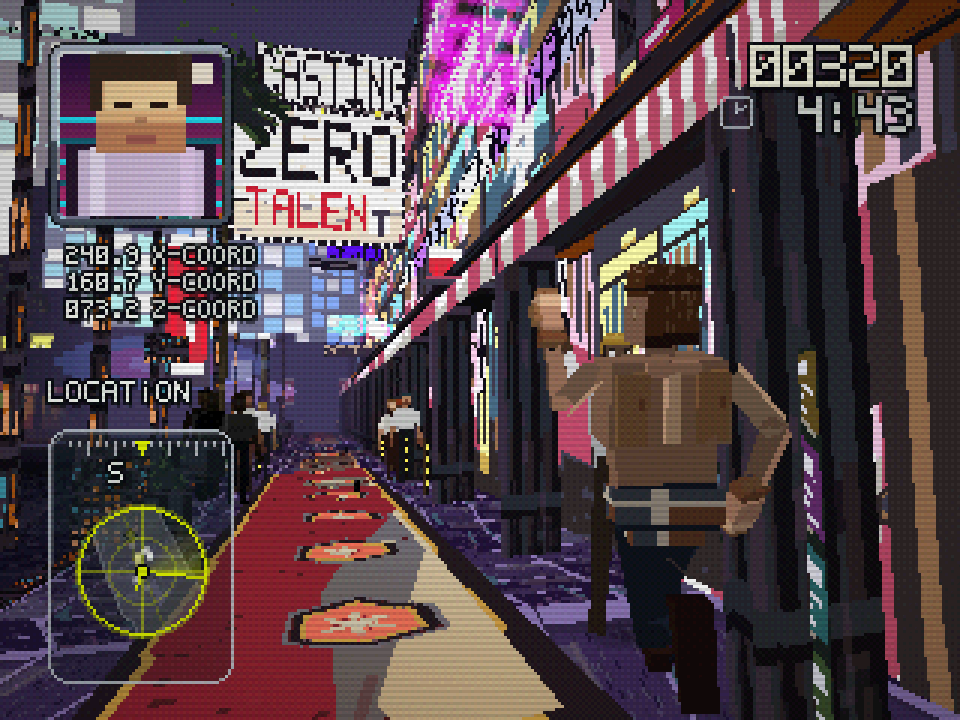
It was one shot and one prompt: one low-effort act of creative vandalism.
The result was Gamifornication, and it is not a good game.
Claude Opus 5 took around 48 hours to generate it.
I don’t have a neat carbon figure to attach to that runtime. But the environmental cost is immense: two days of compute spent producing throwaway shit for a “game” nobody will ever seriously enjoy.
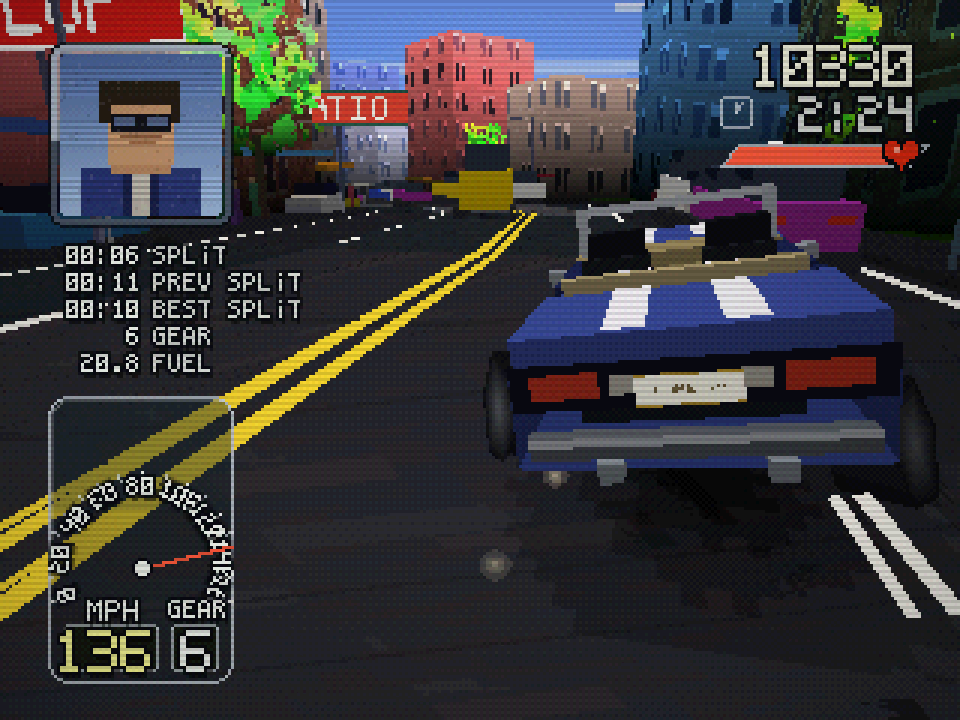
The controls are rough, the mechanics are shallow, and the level design barely deserves the name.
It lacks the endless, invisible work that makes a real game feel coherent: the tuning, iteration, playtesting, bug fixing, art direction, and thousands of tiny decisions made by people who care deeply about the result.
But it exists, and that is the part I can’t stop thinking about.
From “Wouldn’t it be cool if…” to “Here, try it”
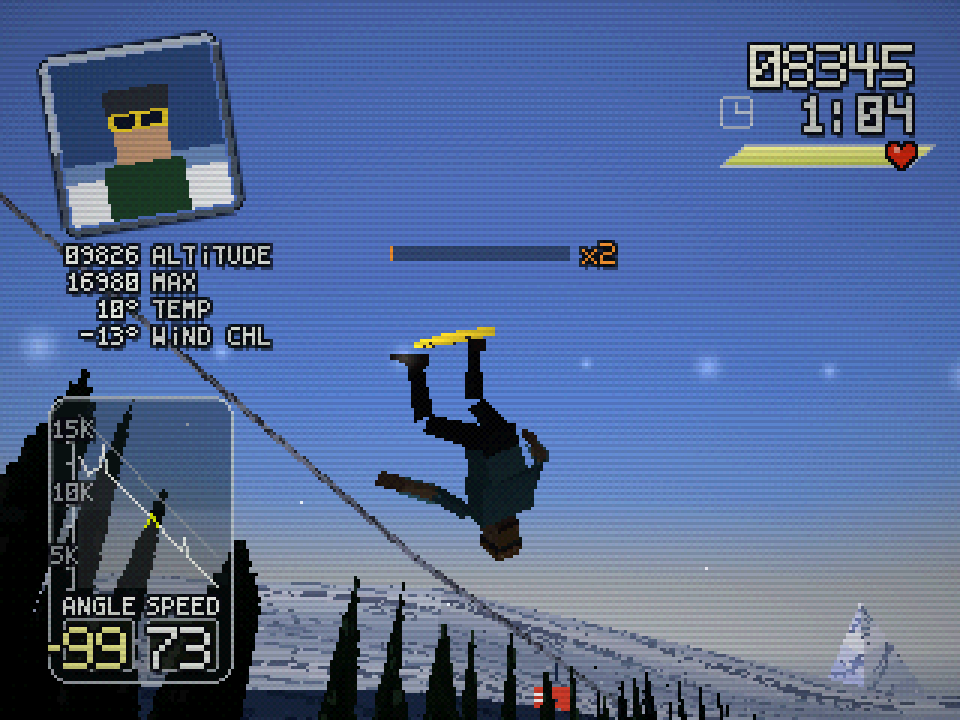
The original Californication video already looks like a late-1990s video game. Its band members run, swim, snowboard, and fly through a surreal digital California while collecting symbols and dodging obstacles.
For decades, people have watched it and said some version of the same thing:
“I wish this were a real game.”
Now it can be, almost casually.
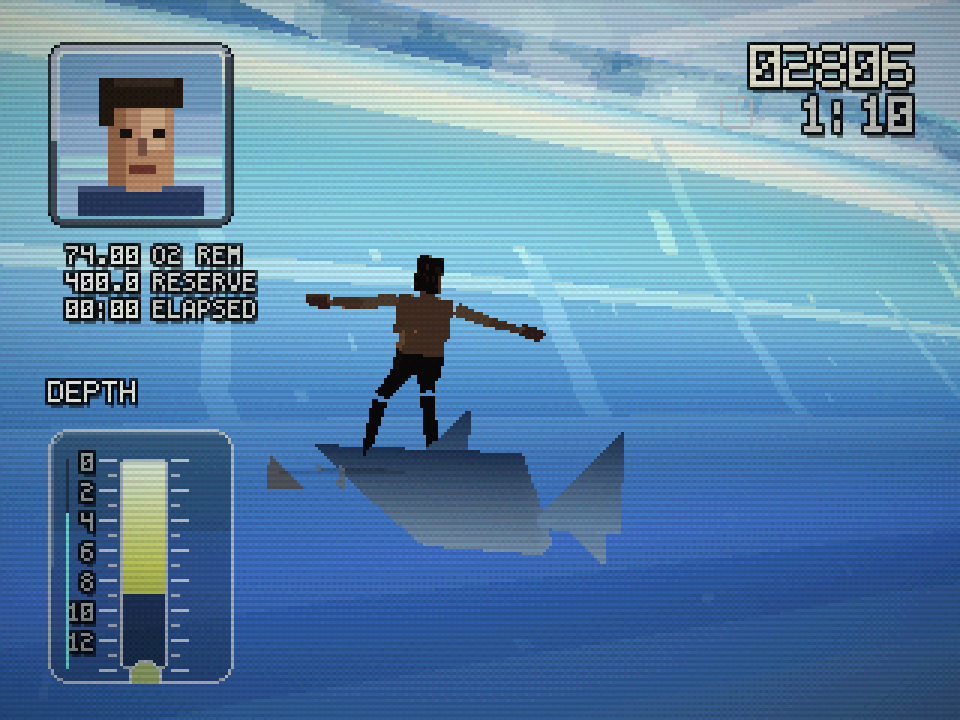
I described what I wanted, and the machine produced a playable approximation.
It understood enough of the visual grammar to make the connection: third-person movement, recognizable environments, collectible objects, and a loose sequence of scenes evoking the video.
There was no production team, long pre-production phase, or monthslong prototype. The distance between “Wouldn’t it be cool if…” and “Here, try it” collapsed into a single generation.
That is amazing. Gamifornication may be bad, but the amount of game produced for the effort is astonishing.
We tend to judge generated work as though it arrived through a normal creative process.
If a studio released Gamifornication, I would call it unfinished. If a developer had spent two years making it, I would wonder what happened.
The useful comparison is the ratio between effort and output.
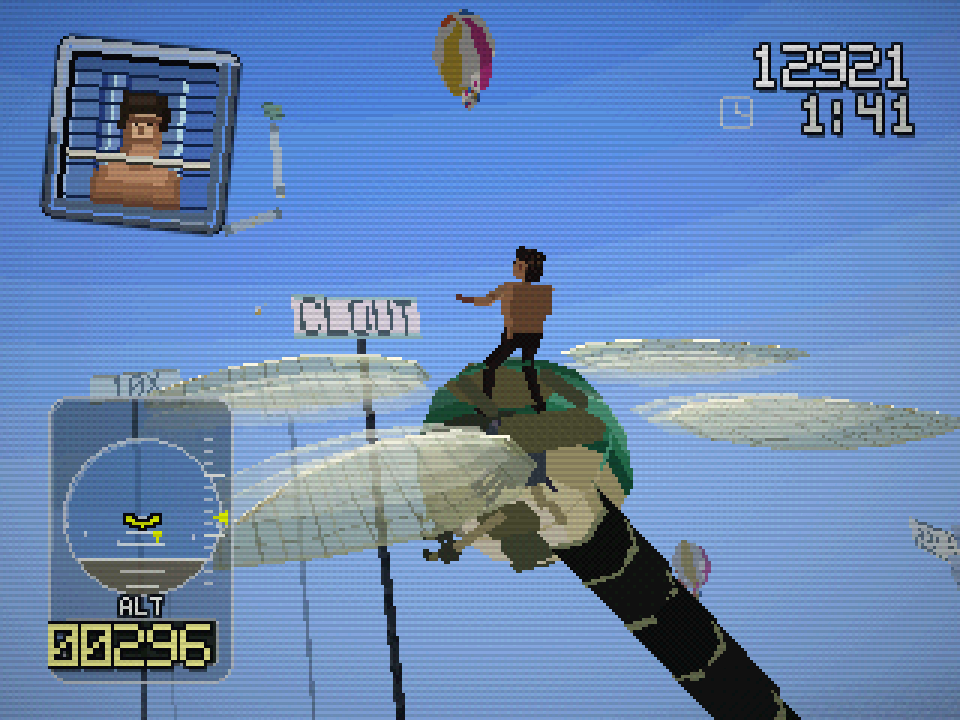
With almost no technical labor, I produced something that responds to input, resembles a specific cultural artifact, and communicates an idea other people can immediately understand.
It turns a reference into an experience. However clumsily, it crosses the boundary between watching and playing.
A rough prototype once required some combination of programming, modeling, animation, sound design, and game-engine knowledge.
Now a person can approach the same territory with little more than language and nerve.
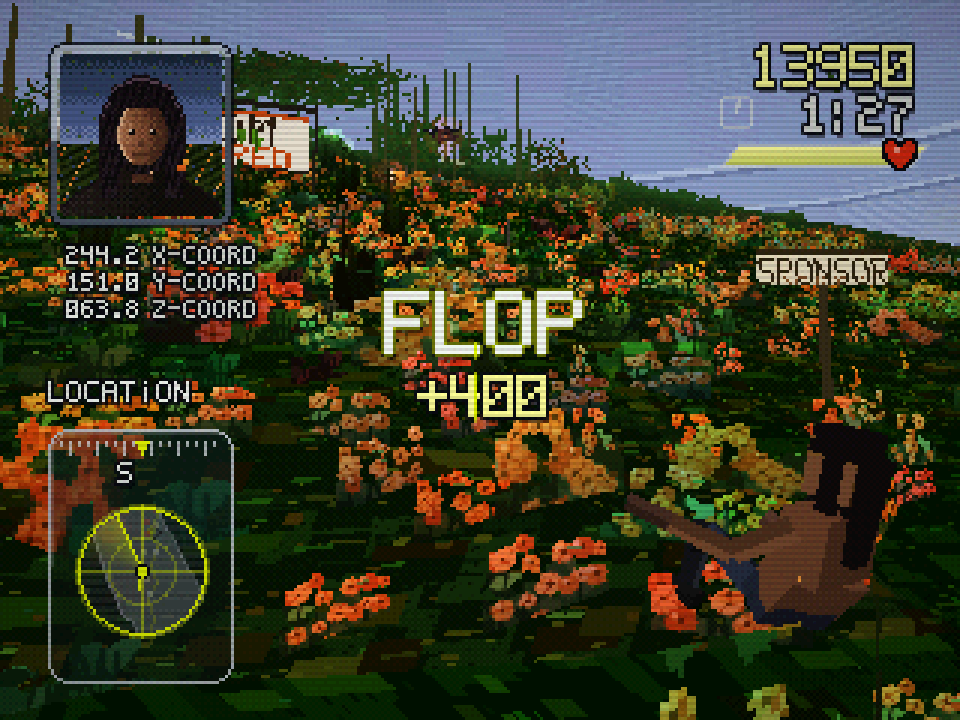
That is liberating. Someone with no budget, team, or conventional training can materialize an idea instead of merely describing it.
Weird experiments that would never survive a pitch meeting can become playable. Jokes can become games. Dreams can become prototypes.
Copies can become products just as easily.
The copy inherited what it didn’t earn
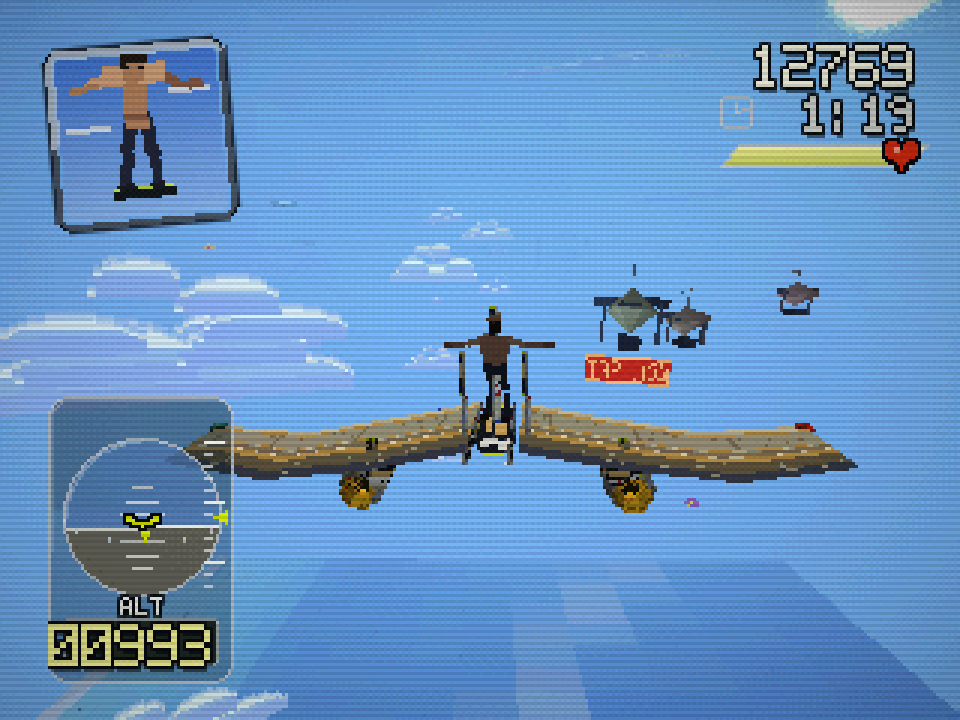
Gamifornication demonstrates how quickly a distinctive creative work can be flattened into a low-effort imitation.
The original video had an identity. People conceived it, designed it, and labored over it. Its imagery became memorable enough to survive for decades.
I fed that cultural memory into a machine and received a playable facsimile.
It is not an exact reproduction, but it is close enough for the association to do most of the work.
The title, concept, and imagery already carried meaning. My version inherited that meaning without earning it.
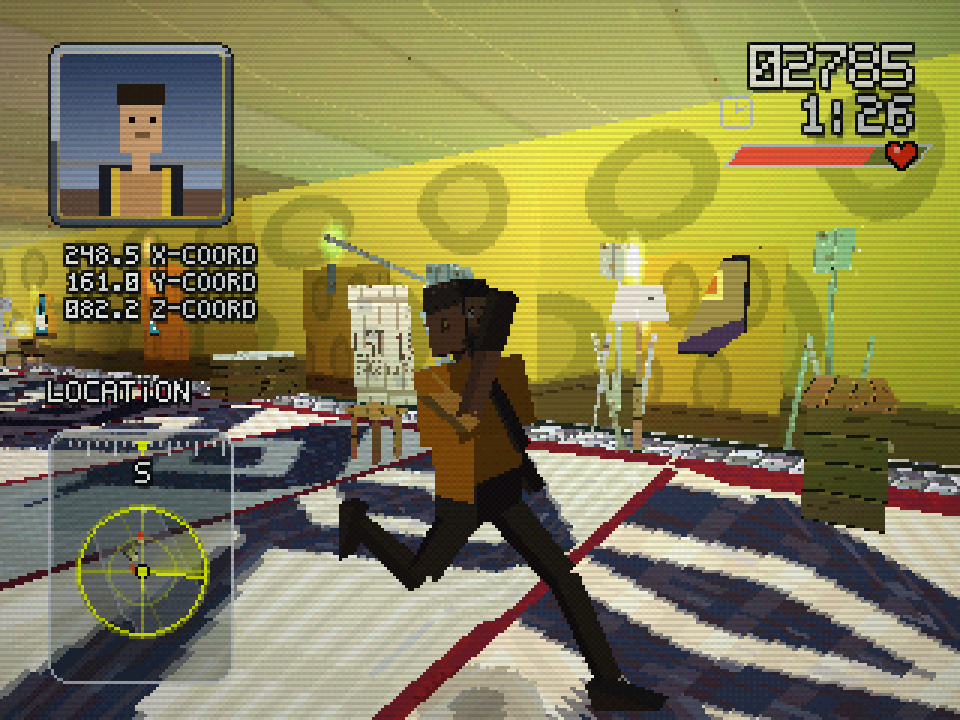
This is the darker promise of generative technology: everything can become raw material.
Every striking style becomes a preset waiting to happen. Every successful concept becomes something that can be copied, mutated, and republished at enormous speed.
AI doesn’t need to produce a perfect replica to change the economics of creativity. It only needs to make imitation cheap enough.
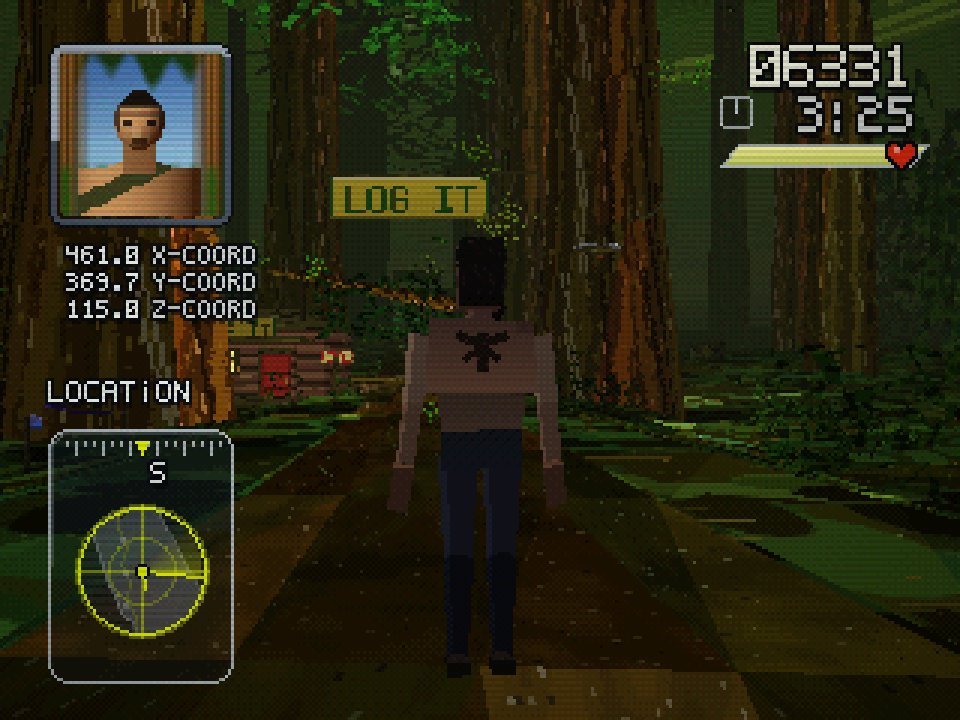
When copying becomes nearly free, the world does not automatically fill with masterpieces.
It may simply fill with copies: endless, adequate, instantly generated approximations competing for the same finite supply of human attention.
Gamifornication will not replace a beloved music video.
The danger is that the next original idea may be surrounded by a thousand synthetic variations before its creators have finished explaining what makes it special.
The part craft used to play
There is another uncomfortable question here: what exactly did I make?
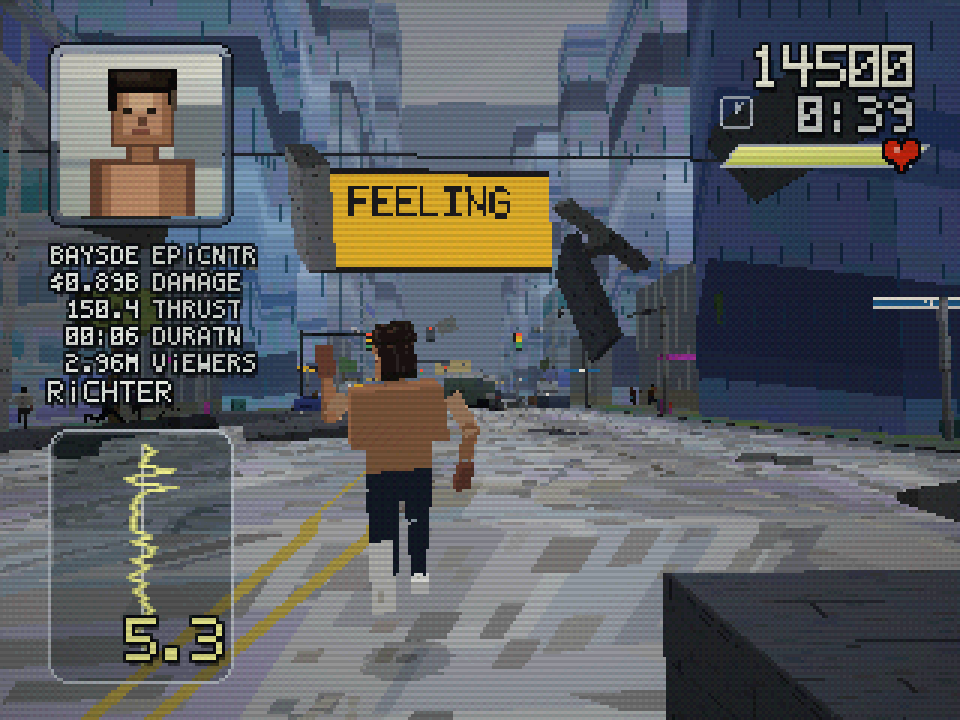
I had the idea, chose the reference, gave the instruction, and evaluated the result.
But I did not develop the skills traditionally required to produce it, nor did I make most of the decisions embedded in the final artifact.
Calling myself the game’s creator feels both accurate and absurd. This is creation detached from craft.
That separation is powerful because craft has always been a barrier. Learning to build games takes time, and not everyone has that time.
Removing the barrier allows more people to participate.
Craft was also the process through which ideas matured. Limitations forced decisions, repetition developed taste, and failure taught judgment.
The long, annoying journey from concept to completion changed both the work and its creator.
One-shot generation skips much of that journey.
Sometimes that is exactly what you want. Not every joke needs a production studio, and not every prototype needs to become a personal odyssey.
But when everything can be generated instantly, patience begins to look inefficient. Care becomes difficult to distinguish from wasted time.
I’m delighted that Gamifornication exists, and I’m glad it isn’t very good.
Its roughness makes the situation easier to understand. The game is not evidence that human creativity has become obsolete. It is evidence that producing a recognizable creative object has become dramatically easier.
The technology is incredible: I turned a passing idea into a playable artifact in one shot, a tiny superpower delivered through a text box.
It is also bleak: I turned someone else’s carefully constructed work into a low-effort copy in one shot, a cultural Xerox machine delivered through the same box.
That leaves me with a playable artifact and very little sense that I made it. The discomfort has lasted longer than the novelty.